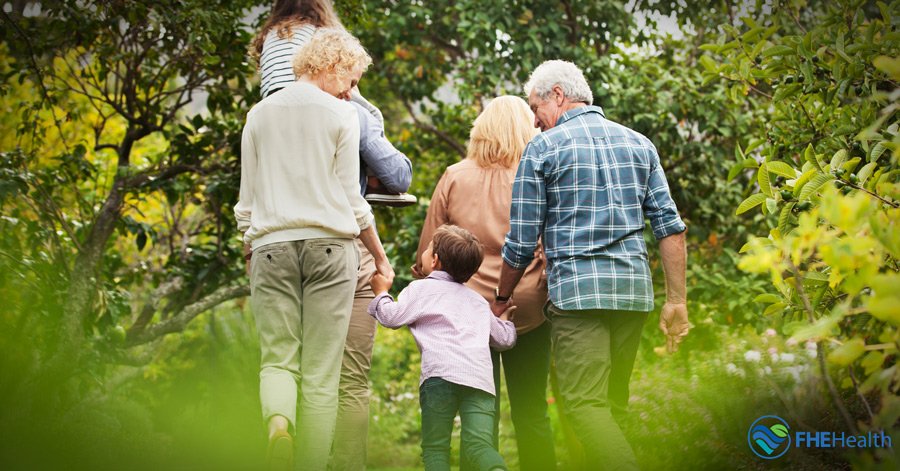
The world is changing at an unprecedented pace, and with it, our understanding of what it means to be truly well. But "well-being" isn't a static concept; it’s a dynamic, deeply personal journey shaped by the era you grew up in. This truth sits at the heart of Generational Health & Wellness: Mental, Physical, and Digital Well-being, a complex tapestry woven from shared experiences, evolving technologies, and differing priorities across age groups. As a seasoned journalist who's seen trends come and go, I can tell you this: understanding these generational nuances isn't just insightful; it's essential for crafting a life—or a wellness strategy—that genuinely works.
For decades, we approached health with broad strokes, assuming one size fit all. Now, we recognize that what fuels a Gen Z individual's emotional resilience might be vastly different from what sustains a Boomer's physical vitality. From the foods we eat to how we manage stress and interact with our screens, your generation subtly (and sometimes not so subtly) dictates your approach to wellness.
At a glance: Key Shifts in Generational Well-being
- Overall Wellness: Stable in the US, but the UK is seeing a drop in positive well-being levels.
- Food Focus: A strong push for functional and alternative foods, clean ingredients, and plant-based supplements (especially for gut health), driven by younger generations in the US.
- Emotional First: Gen Z and Millennials prioritize emotional well-being, seeking support networks, natural therapies, and leisure time.
- Practicality Prevails: Gen X and Boomers often lean into practical, physical solutions like home-cooked meals and exercise.
- Self-Care for All: Nutrition and self-care are recognized as crucial for both emotional and functional well-being across all generations.
- The Leisure Imperative: Gen Z, in particular, values leisure time for mental well-being, sometimes even adopting less healthy habits in the pursuit of relaxation and pleasure.
- Tailored Messaging: Wellness brands need to speak to specific generational needs, highlighting functional benefits for younger groups and practical solutions for older ones.
The Shifting Sands of Well-being: Why Generations See Health Differently
Think about it: the challenges and opportunities you faced growing up fundamentally shaped your perspective. Boomers navigated a post-war economic boom and societal shifts, while Gen Z came of age in an era of digital omnipresence and global uncertainty. These distinct "eras" aren't just historical markers; they're powerful determinants of how each generation defines, pursues, and maintains its health.
In the US, overall well-being has remained relatively stable, suggesting a certain resilience or adaptation within the population. However, across the pond, the UK has experienced a noticeable drop in positive well-being levels. This divergence hints at various socio-economic, political, and cultural factors at play, underscoring that wellness isn't just about individual choices; it's also about the broader context we inhabit.
One of the most striking cross-generational trends is the growing recognition that wellness isn't just about avoiding illness. It's about a holistic state of thriving, encompassing mental clarity, physical vitality, and increasingly, a healthy relationship with our digital lives.
Generation by Generation: A Wellness Snapshot
Let's break down how each major generation approaches the pillars of health. Understanding these differences isn't about pigeonholing individuals, but about recognizing prevalent patterns that can inform more effective personal strategies and broader wellness initiatives.
Gen Z's Quest for Balance: Emotional Health in a Digital Age
Born roughly between 1997 and 2012, Gen Z has never known a world without the internet. This digital immersion has profoundly shaped their view of health, pushing emotional well-being to the forefront of their concerns. You'll find Gen Z individuals actively seeking out support networks, exploring natural therapies, and fiercely prioritizing leisure time as essential components of their mental health strategy. For them, the freedom to choose how they spend their time, including indulging in preferred foods, is a critical element of feeling good, even if it sometimes means adopting habits that aren't strictly "healthy." The goal, it seems, is balancing freedom with pleasure for both physical and mental health.
This generation is also a significant driver in the demand for functional and alternative foods. They're keen on products that offer specific health benefits – think gut health-boosting snacks, nootropic drinks for focus, or plant-based protein for sustainable energy. They want natural, clean ingredients, and they're willing to seek them out.
Millennials: Bridging the Gap Between Traditional and Modern Wellness
Millennials (born approximately 1981-1996) often find themselves navigating a unique space. They've witnessed the rapid evolution of technology and a shift in societal expectations around work and life balance. Like Gen Z, they place a high priority on emotional well-being and are active in self-care practices. They understand that nutrition is deeply intertwined with mood and energy, often exploring diverse dietary approaches.
You'll see Millennials adopting trends that merge convenience with health, valuing fitness tech, meal prep services, and supplements that fit seamlessly into their busy lives. They’re often early adopters of new wellness concepts, blending traditional health advice with modern scientific insights. The appeal of functional foods, from fortified drinks to plant-based alternatives, resonates strongly with this group, as they look for ways to optimize their health amidst demanding schedules.
Gen X: Practicality Meets Proactivity
Members of Generation X (born approximately 1965-1980) are often characterized by their independent, self-reliant nature. For them, wellness frequently translates into practical, actionable solutions. You'll find Gen Xers focusing on tangible physical health benefits, often gravitating towards established routines like regular physical exercise and the reliable comfort of homemade meals. They've likely seen fads come and go, making them discerning about new trends.
While they may not articulate "emotional well-being" in the same terms as younger generations, their approach to health often implicitly supports it through consistency and a focus on core physical health. They recognize the value of good nutrition and self-care, perhaps framing it less as a "trend" and more as a foundational element of sustained well-being and managing the stresses of mid-life, often balancing careers and family responsibilities.
Boomers: Enduring Foundations of Well-being
Boomers (born approximately 1946-1964) grew up in an era where health was often defined by the absence of disease and a focus on longevity. Their wellness priorities often revolve around maintaining physical function, managing existing health conditions, and enjoying an active retirement. Like Gen X, practical solutions and established practices tend to be their preference.
This generation values regular medical check-ups, doctor recommendations, and proven methods for staying active. You'll find many Boomers embracing hobbies that keep them physically and socially engaged, from gardening to community walking groups. While they may not be as quick to adopt cutting-edge functional foods, they appreciate clear, natural ingredients and gravitate towards nutritional advice that supports heart health, bone density, and overall vitality. For them, well-being is often about staying robust enough to enjoy life’s next chapter fully.
Understanding the Pillars of Well-being in a Generational Context
While each generation has its distinct approach, the core pillars of mental, physical, and digital well-being are universal. The difference lies in how they manifest and what support is sought.
Mental Well-being: Beyond the Surface
Mental well-being is no longer a taboo subject; it's a vital component of overall health. Yet, how each generation navigates it varies:
- Gen Z and Millennials: These generations are more open about discussing mental health challenges like stress and anxiety. They actively seek support networks, whether online communities, peer groups, or professional therapy. Natural therapies, mindfulness apps, and the deliberate carving out of leisure time are essential tools. For them, digital overload is a real concern, and they often experiment with digital detoxes or mindful tech use to protect their mental space.
- Gen X: Often described as the "sandwich generation," Gen Xers face unique mental health pressures balancing aging parents, demanding careers, and growing children. Their approach to mental well-being might be more understated, focused on stress management through exercise, hobbies, or quiet family time. They might be less inclined to discuss mental health openly but are often proactive in seeking practical solutions for perceived "stress."
- Boomers: For Boomers, mental well-being can be tied to cognitive health, social connection, and purpose in retirement. They might focus on staying mentally sharp through puzzles, reading, or learning new skills. Combating loneliness through community involvement and maintaining strong social ties is crucial. While less likely to use apps for mental health, they value strong family connections and the wisdom of experience.
The importance of balancing health with leisure time and relaxation is crucial for mental well-being across the board, but especially resonates with younger demographics. Gen Z, for instance, particularly values leisure time, even indulging in preferred foods despite a general focus on health, recognizing that pleasure plays a role in their overall mental state.
Physical Well-being: Fueling Your Future
Physical well-being, once simply about diet and exercise, now includes concepts like gut health, clean eating, and personalized nutrition.
- The Functional Food Revolution: This is where the generational divide becomes quite clear. Younger generations, particularly Gen Z in the US, are driving a massive demand for functional foods. These aren't just snacks; they're designed with added benefits. Think drinks infused with adaptogens for stress, snacks with prebiotics for gut health, or supplements targeting specific deficiencies. They want natural, clean ingredients and are increasingly leaning towards plant-based alternatives for ethical, environmental, and health reasons. Gut health, in particular, has emerged as a major focus for them, with a rise in plant-based supplements aimed at supporting a healthy microbiome.
- Older Generations' Practical Focus: Gen X and Boomers, while not averse to healthy eating, tend to approach physical wellness with more traditional, practical solutions. Homemade meals, fresh produce, and consistent physical exercise are their go-to strategies. Their interest in supplements might be more targeted toward common age-related concerns like joint health, heart health, or vitamin deficiencies, often guided by medical advice rather than trend.
- Universal Truths: Despite these differences, the core message of good nutrition and regular movement remains universal. Self-care, often expressed through exercise, mindful eating, and adequate rest, is recognized as impacting both emotional and functional wellness across all groups.
Digital Well-being: Navigating the Connected World
In an age where our lives are inextricably linked to screens, digital well-being has emerged as a critical, albeit often overlooked, pillar of health.
- The Gen Z & Millennial Challenge: For younger generations, the constant connectivity brings both opportunities and significant challenges. Social media can be a source of connection and community, but also comparison, anxiety, and FOMO (fear of missing out). Digital well-being for them involves setting boundaries, practicing mindful scrolling, understanding the impact of screen time on sleep and mood, and recognizing when a "digital detox" is needed. They are often the most aware of the negative impacts but also the most reliant on digital tools.
- Gen X's Balanced Approach: Gen X often uses digital tools for convenience and information, but perhaps with less inherent emotional entanglement than younger groups. Their digital well-being might focus on efficiency, using technology to simplify tasks, stay connected with family, or pursue hobbies, while being mindful of not letting it encroach too much on personal time.
- Boomers and the Digital Divide: Boomers have largely adopted digital tools for communication (email, video calls), information (news, health research), and entertainment. Their digital well-being might center on staying safe online, recognizing misinformation, and learning to use technology effectively to stay connected without feeling overwhelmed. They might be less prone to social media comparison but still benefit from strategies to manage screen time and protect their privacy.
The key across all generations is to foster a conscious relationship with technology – one where you control the tools, rather than letting them control you.
Tailoring Your Approach: What Works for You (and for Brands)
Understanding these generational differences isn't just an academic exercise. It offers powerful insights for individuals trying to optimize their own health journeys, and for brands aiming to genuinely connect with diverse audiences.
For Individuals: Your Personalized Wellness Blueprint
Instead of chasing every trend, consider what truly resonates with your generation's inherent values and priorities:
- If you're Gen Z or a Millennial: Prioritize proactive emotional well-being. Seek out mental health resources, explore natural therapies, and fiercely protect your leisure time. Integrate functional foods, plant-based options, and supplements that offer targeted benefits. Don't be afraid to experiment with digital detoxes. Remember that balancing pleasure and freedom with healthy choices is key to your unique well-being.
- If you're Gen X: Focus on sustainable, practical routines. Integrate regular physical activity you enjoy. Prioritize home-cooked meals with clean ingredients. Look for ways to manage stress that fit your lifestyle, whether it’s through exercise, hobbies, or dedicated family time. Don't neglect self-care; it's essential for your long-term resilience.
- If you're a Boomer: Maintain your physical vitality through consistent, doctor-approved exercise and nutrition. Prioritize social connection and activities that keep your mind sharp. While technology can be useful, focus on its practical benefits for connection and information, and be mindful of online safety.
Regardless of your age, self-care and good nutrition are not optional extras; they are foundational to both your emotional and functional wellness. Make them non-negotiable parts of your day.
For Brands: Speaking to Each Generation's Heart
The research clearly indicates a need for tailored strategic messaging in both the US and UK markets.
- Younger Cohorts (Gen Z, Millennials): Emphasize emotional well-being, mental health support, natural solutions, and the concept of "leisure as therapy." Highlight functional food benefits—think gut health, focus, energy—and the clean, plant-based credentials of your products. Show how your offerings support their overall lifestyle, not just their physical body.
- Older Cohorts (Gen X, Boomers): Focus on practical benefits, longevity, physical vitality, and convenience that supports established routines. Messaging around homemade meals, ease of incorporating healthy habits, and the tangible results of physical activity will resonate more strongly.
- Universal Appeal: Regardless of the generation, clarity, trust, and the tangible benefits of a product or service are always appreciated. Transparency about ingredients and ethical practices can build loyalty across the board. The appetite for functional and alternative foods, such as functional drinks/snacks with added benefits, vitamins, supplements, natural/clean ingredients, and plant-based alternatives, represents a significant growth opportunity for brands that can effectively communicate their value to the right audiences.
Common Wellness Misconceptions (and The Truth)
Let's clear up some widespread beliefs that might be holding you back:
Misconception 1: "Self-care is selfish or a luxury."
Truth: Self-care is a fundamental necessity for sustainable well-being. It’s about replenishing your mental, physical, and emotional reserves so you can show up fully for your responsibilities and relationships. Neglecting it leads to burnout, not virtue.
Misconception 2: "Healthy eating is always expensive and complicated."
Truth: While specialty health foods can be pricey, foundational healthy eating—whole grains, fresh fruits, vegetables, lean proteins—can be incredibly cost-effective. Batch cooking, seasonal shopping, and simple recipes are far from complicated and can save money and time. The growing market for functional foods means more accessible, beneficial options are emerging, even if the premium ingredients might add to the cost compared to processed alternatives.
Misconception 3: "Digital well-being just means completely disconnecting."
Truth: For most, especially younger generations, complete disconnection isn't realistic or even desirable. Digital well-being is about conscious engagement. It's learning to use technology as a tool that serves you, rather than allowing it to dictate your mood or attention. This might involve setting app limits, turning off notifications, or having designated screen-free times, rather than abandoning technology entirely.
Misconception 4: "My generation's health approach is the only right way."
Truth: Each generation developed its wellness strategies based on its unique context. What worked for your parents might not fully address the challenges you face today, and vice-versa. The most effective approach is to learn from all generations, adapt what works, and remain open to new insights, whether it’s the practical wisdom of older generations or the innovative approaches of younger ones. Finding your own path is key to the Our Generation Horse main hub of well-being.
Building a Sustainable Wellness Path, Today
The journey to optimal health and wellness is an ongoing one, deeply influenced by the generational lens through which we view the world. There’s no single, universal answer, but rather a spectrum of approaches that reflect our differing priorities, motivations, and behaviors.
The most potent strategy for your well-being involves a blend of self-awareness and informed action. Start by honestly assessing your current state across the mental, physical, and digital pillars. Where are you thriving? Where do you feel a drain?
Then, consider your generational inclinations. Are you a Gen Z-er struggling to balance leisure and healthy habits? A Millennial feeling the pressure of optimizing everything? A Gen X-er looking for practical ways to stay active, or a Boomer seeking robust longevity? Use these insights to tailor your approach. Embrace the functional foods if they resonate, lean into the practical solutions if that's your style, and always, always, prioritize the foundational elements of good nutrition, regular movement, restorative sleep, and meaningful connections.
In a world that constantly demands our attention, reclaiming our health and wellness isn't a luxury; it's an imperative. By understanding the generational forces at play, you can forge a path that not only addresses your unique needs but also empowers you to thrive in every sense of the word. Your well-being isn't just about surviving; it's about defining what it truly means to live a full, vibrant life, on your own terms.